
Music Made with Everyday Objects
Nov 20, 2025
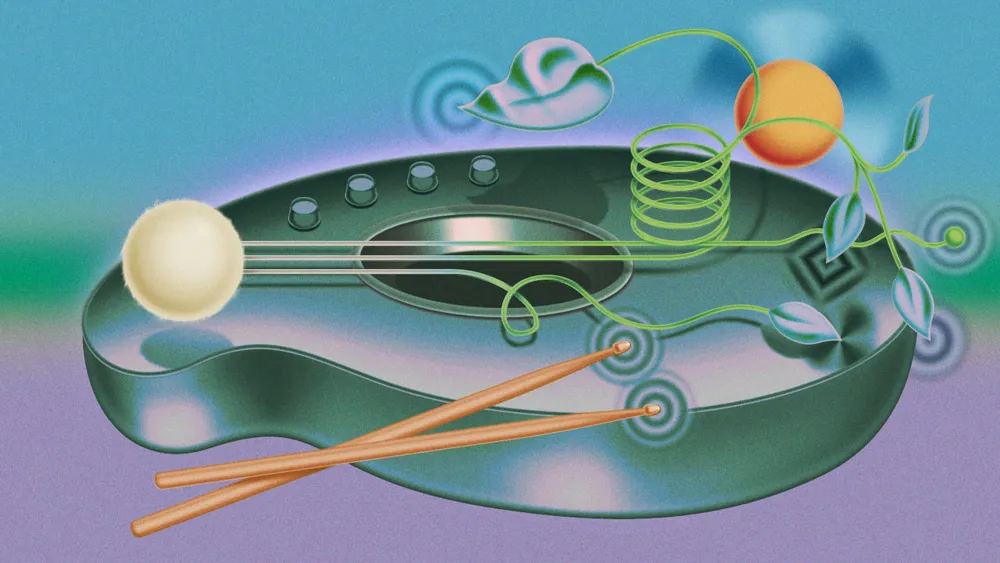
In the realm of contemporary music, a fascinating genre has taken root—one that challenges conventional definitions of musical creation. What if we could redefine the very essence of music-making by utilizing everyday objects instead of traditional instruments? This exploratory journey, often referred to as non-instrumental music, showcases the inventiveness of artists who breathe sonic life into the mundane, transforming the ordinary into extraordinary soundscapes.
**Genetic Map (Origins and Sound DNA):** Non-instrumental music finds its roots in a variety of socio-cultural movements that prioritize innovation and creativity over traditionalism. Influenced by avant-garde composers like John Cage, who famously used chance and unconventional objects to create sound, this genre emerged from a desire to expand the boundaries of musical expression. One can hear the clattering of pots and pans (clang, bang, pling) or the whisper of a human voice manipulating the air, creating a rich tapestry of sound that is as diverse as its creators.
**Evolution Tree (Style Development & Fusion):** The evolution of non-instrumental music can be traced through significant milestones. From the early experimental works of the 20th century to modern-day electronic artists who sample and manipulate ambient sounds, the journey has been dynamic. Albums like "Prepared Piano" by John Cage (1940) and the recent 'Sound Object' by artist Amon Tobin (2019), known for his innovative use of field recordings and everyday sounds, reflect this evolution. Today, non-instrumental music often fuses with genres like Ambient, Experimental, and even Pop, allowing for a broader spectrum of artistic expression—consider the crisp clicks of a laptop keyboard (tap, tap) as integral to a piece as the beat of a drum.
**Starter Pack (Listening Essentials):** For those looking to dive into this genre, here are three must-hear tracks: 1. "4'33" by John Cage - An iconic piece that silences the conventional notion of performance. 2. "Bricolage" by Amon Tobin - Melding field recordings with electronic manipulation. 3. "Wood" by the artist Nils Frahm - Using unconventional objects like wood blocks and claps to explore rhythm. An underrated artist in this space is **Laura Bowler**, whose innovative vocal techniques and use of everyday sounds have contributed to the burgeoning field of sound art. Each track offers listeners a glimpse into the creative possibilities that lie outside the standard music framework.
As this genre continues to evolve, it invites a broader audience to engage in the discourse around what constitutes music. We encourage readers to share their own experiences with non-instrumental music, be it the sounds of their home or unique instruments of their own creation. Use social media as a platform to exchange ideas and showcase your creativity—the world of sound awaits!
#music
#sound art
#creativity
#non-instrumental


© 2025 Music Voyage.