
David Ze and the Legacy of Angolan Music
Jan 27, 2026
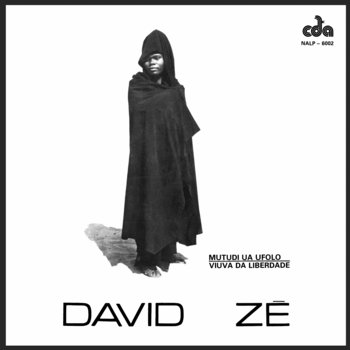
**Genetic Map (Origins and Sound DNA)**: Emerging from the tumultuous backdrop of Angola's fight for independence in the mid-1970s, David Ze's music is deeply rooted in the socio-cultural landscape of his homeland. His notable work, "Mutudi Ua Ufolo / Viuva Da Liberdade 1975,” not only encapsulates the spirit of resistance but also channels the traditional rhythms of Angolan music into a sound that resonates with hope and resilience. The rhythmic patterns evoke the pulse of drum beats that mimics the heartbeat of a vibrant community - a pulsating *thump-thump* accented with the mellow strumming of the guitar and the resonant tones of the kora (a stringed instrument similar to a harp). This sonic tapestry creates an atmosphere where cultural heritage and revolutionary zeal intertwine.
**Evolution Tree (Style Development & Fusion)**: David Ze's sound represents a pivotal moment in African music, reflecting broader movements towards cultural expression in the face of colonial oppression. The late 20th century saw a wave of musicians experimenting with fusions of traditional Angolan styles with modern influences, forging a unique identity in the process. Key milestones included the popularization of *semba*, a precursor to modern-day *kizomba*, which incorporates western pop elements into traditional sounds. The album cover of "Mutudi Ua Ufolo / Viuva Da Liberdade" features vibrant colors reminiscent of Angolan flags and images of struggle, signifying the melding of art and identity. Contemporary artists have continued this tradition, incorporating genres such as hip-hop and electronic music into their work, pushing boundaries while honoring their roots.
**Starter Pack (Listening Essentials)**: To truly savor the essence of David Ze’s music, start with three seminal tracks: 1. **"Mutudi Ua Ufolo / Viuva Da Liberdade" (1975)** - The anthem of Angolan liberation, with evocative lyrics and a distinctive rhythm that captures the struggle for freedom. 2. **"Nda Yu" (1985)** - A celebration of post-independence identity, blending traditional Angolan melodies with contemporary instrumentation. 3. **"Zanguele" (1992)** - A reflection of socioeconomic realities in Angola during the civil war period, showcasing Ze’s lyrical depth and musical evolution. Additionally, an underrated artist worth exploring is **Mavambo**, whose experimental fusion of Angolan folk and modern sounds has greatly influenced the contemporary music scene in Luanda. His work continues to inspire a new generation while keeping the spirit of resistance alive.
#music history
#david zé
#angolan music
#cultural liberation


© 2025 Music Voyage.