
Exploring Alan Vega's Other Side
Jan 28, 2026
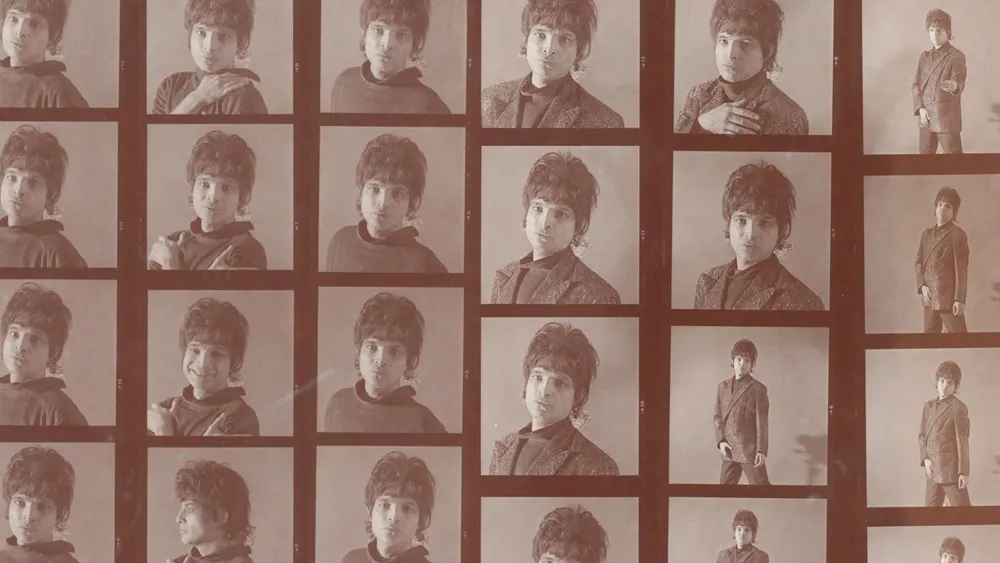
Alan Vega is often regarded as a pioneer of the electronic music scene, particularly noted for his work as the frontman of the influential band Suicide. Emerging in the 1970s alongside the nascent punk movement, his sound—a fusion of minimalist instrumentation and avant-garde vocals—set the stage for future genres such as industrial and electronic music. Vega’s stark presence, characterized by his expressive voice and magnetic stage performances, not only challenged the norms of his time but also carved a path for countless artists who followed.
In this article, we will delve into a lesser-known aspect of Alan Vega's life: the tumultuous and often dangerous nature of his performances, which often mirrored the raw energy of his music. Through the lens of an alarming incident in 1988, wherein Vega was struck in the face with a wrench during a concert in France, we will explore how such experiences shaped his artistry and the ethos of the band.
Alan Vega's artistic journey began in New York City, where his collaboration with Martin Rev in 1970 gave birth to Suicide. The duo's early work was marked by a stark, minimalist sound that defied conventional rock structures, combining elements of punk, electronic, and even early hip-hop rhythms. Vega’s signature vocal style—part spoken word, part shriek—coupled with Rev’s pulsating synthesizers, created a sound that felt both haunting and revolutionary. This unique blend solidified Vega's reputation as an innovator in music, inspiring artists from genres as diverse as post-punk and synth-pop.
The incident in 1988, where Vega was injured by a wrench during a live performance, serves as a stark illustration of the provocative environment surrounding Suicide's shows. Known for their chaotic and often confrontational performances, Vega and Rev faced not only the challenges of artistic expression but also the physical threats posed by volatile audiences. Such experiences encapsulate Vega's commitment to pushing boundaries, both musically and in live settings, further cementing his status as a fearless artist.
Recently, previously unpublished material and retrospective projects have come to light, shedding new insights into Vega's creative process and artistic vision. These releases not only highlight his contributions to music but also reveal a deeper understanding of the performance’s impact on his art. This new material provides fans and scholars alike an opportunity to reassess Vega’s body of work, enhancing appreciation for his role in shaping contemporary music.
The cultural legacy of Alan Vega extends beyond his own music, influencing a myriad of artists across several genres. His bold experimentations with sound, along with his confrontational style, have left an indelible mark on the music industry. Many modern musicians, including those in industrial, electronic, and even hip-hop scenes, cite Vega as a critical influence. Fan reactions to new releases are often mixed with nostalgia and discovery, allowing for a renewed appreciation of his innovative spirit.
In conclusion, Alan Vega's legacy, characterized by his fearless approach to music and performance, continues to resonate today. The exploration of his lesser-known experiences, particularly the confrontations he faced during live shows, underscores the depth of his artistry and the significance of his contributions. For fans and music scholars, this new examination of Vega illuminates not only the man himself but also the broader impact of his work on the evolution of music.
#music history
#music legacy
#alan vega
#suicide
#performance art


© 2025 Music Voyage.