
Introduction to Ambient Music: Origins and Essentials
Feb 14, 2026
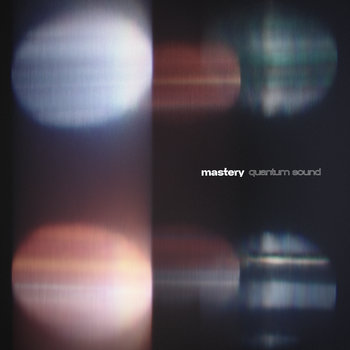
**Genetic Map (Origins and Sound DNA)** The genre of ambient music, which is at the heart of the "Mastery Quantum Sound" project, originated in the 1970s as a response to the ever-evolving landscape of electronic music. Its birthplace can be traced to the experimental soundscapes created by pioneers like Brian Eno, whose work in synthesizers and tape loops gave rise to a meditative and atmospheric sound that was liberating in its essence. Emerging amidst a backdrop of social upheaval and technological advancement, ambient music served as a canvas upon which listeners could escape the noise of daily life, allowing sounds to envelop and transcend mere entertainment. Signature sounds associated with ambient music are often subtle and fluid, characterized by the gentle **whoosh** of synths, the delicate **ping** of chimes, and the soft **hum** of drones that create a tranquil listening experience. These sonic textures not only evoke feelings of calm but also facilitate introspection and healing, aligning perfectly with World Healing Day.
**Evolution Tree (Style Development & Fusion)** Over the decades, ambient music has transformed significantly, assimilating elements from various genres while leaving an indelible mark on each. From the minimalist approach of Eno's foundational albums like "Ambient 1: Music for Airports" (1978), we see a shift towards more complex soundscapes in the 1990s with artists like The Orb and Aphex Twin, who introduced elements of techno and house music into the ambient palette. Today, current trends show a seamless fusion of ambient music with genres like chill-out, downtempo, and even pop, as seen in the incorporation of ambient textures in mainstream music, including K-Pop and electronic dance music (EDM). This fusion not only expands the reach of ambient sound but also speaks to its versatility, creating rich and layered experiences that further entice new audiences.
**Starter Pack (Listening Essentials)** To truly appreciate the depths of ambient music, it's essential to explore some must-hear tracks that have defined its evolution: 1. Brian Eno - "An Ending (Ascent)" (1983) 2. The Orb - "Little Fluffy Clouds" (1990) 3. Max Richter - "On the Nature of Daylight" (2004) In addition to these classics, one underrated artist making waves in the ambient scene is Kaitlyn Aurelia Smith. Her innovative approach to modular synthesis and deep, emotionally resonant compositions represent the contemporary spirit of ambient music while staying true to its experimental roots. Through her work, she has not only contributed to ambient music but has also opened the door for a new generation of artists and fans to embrace sound as a form of healing.
#music genre
#ambient music
#soundscapes
#mastery quantum sound
#pioneers of ambient



© 2025 Music Voyage.