
Detroit Women: Celebrating Music Movement Pioneers
Feb 24, 2026
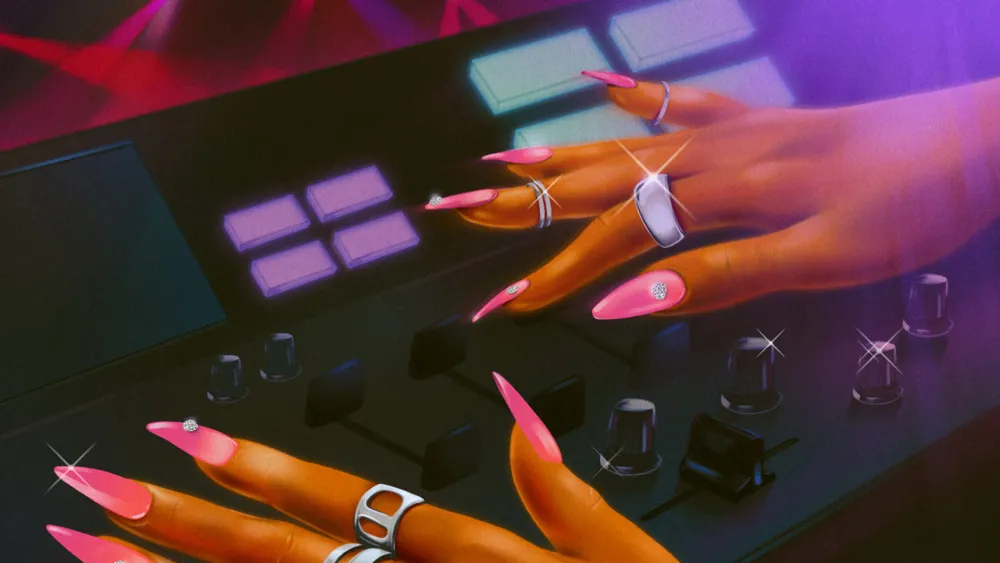
**Genetic Map (Origins and Sound DNA):** Detroit house music originated in the early 1980s, blossoming from the vibrant and innovative club culture of Detroit. This genre emerged during a period of social and economic upheaval, characterized by the decline of the automotive industry and the rise in youth empowerment through music. Detroit house is rooted in the disco and soul music of the late '70s, with a sound DNA comprising infectious basslines, uplifting synth melodies, and the rhythmic pulsations of kick drums that thump like a heartbeat—"thump-thump, thump-thump" echoing through the darkened corners of underground clubs. Victorious vocals soared above these beats, often sampling elements from the rich fabric of African American musical heritage. The combination tried to evoke feelings of love and unity, creating what many describe as a euphoric atmosphere.
**Evolution Tree (Style Development & Fusion):** The evolution of Detroit house can be traced through pivotal moments in both its artistic and technological landscapes. Albums such as *"Deep House Music"* by DJ Pierre (1988) and *"The House Sound of Detroit"* compilation (1987) defined the genre's texture and feel. As it grew, house absorbed influences from techno, acid house, and even jazz, exemplifying its adaptability. In recent years, we see fusion trends emerging as Detroit house artists collaborate with genres like hip-hop and R&B, reminiscent of how K-Pop artists seamlessly weave Trap elements into their tracks. The genre itself is elusive and constantly changing, much like Detroit—a city that represents resilience.
**Starter Pack (Listening Essentials):** To dive into the essence of Detroit house, here are three must-hear tracks: 1. *"I'll Take You There"* by The Staple Singers (DJ Pierre’s Remix, 1986) – A staple in the scene where house soaking up its disco roots. 2. *"Your Love"* by Frankie Knuckles & Jamie Principle (1986) – Often cited as one of the foundational tracks of house music. 3. *"U Can't Touch This"* by MC Hammer (1990) – While not directly in house, its samples and rhythms exhibit the cross-genre influence of the time. Additionally, consider exploring the work of singer and producer Kim Ann Foxman—a significant yet often overlooked artist whose contributions have helped inspire a new generation of female musicians.
#cultural impact
#women in music
#detroit
#house music



© 2025 Music Voyage.