
Detroit's House Women
Feb 24, 2026
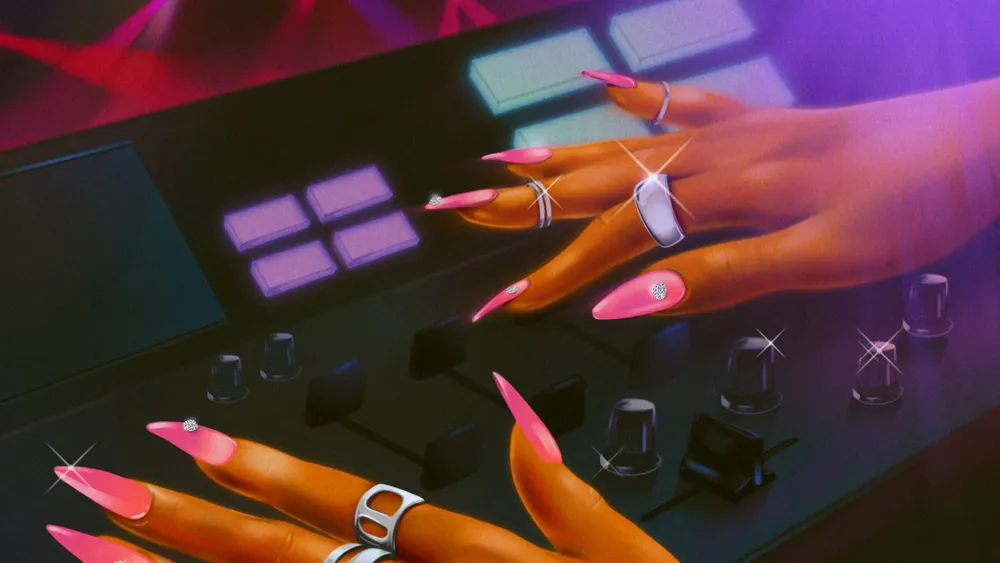
House music, born in the vibrant underground scenes of the 1980s, stands as a testament to Detroit's rich musical tapestry. Often overshadowed by its more infamous counterpart, Techno, House emerged from this industrial city’s deep socio-cultural roots, propelled by innovation and the quest for a new sound in a time of change and uncertainty. Detroit, once defined by its automotive prowess, transformed into a sanctum for artists seeking to redefine music and community. The pulsating four-on-the-floor beat, accompanied by plush synthesizers, smooth melodies, and soulful vocals, echoes the very essence of House: a sonic embrace that facilitates both introspection and collective celebration.
In the 1980s, amidst economic decline and urban blight, House music took root in Detroit's nightclubs—a melting pot where LGBTQ+ individuals and marginalized communities found solace and expression. The genre flourished through the creative endeavors of iconic figures such as Frankie Knuckles and Derrick May, with seminal tracks defining the sound. However, it was the contribution of local legends, particularly women like Stacey "Hotwaxx" Hale and Delano Smith, that carved a unique niche for House. These trailblazing artists brought a distinct flair, intertwining elements of funk, disco, and soul, reshaping the genre with each pulsating beat.
Despite being frequently eclipsed by their male counterparts, female artists have undeniably steered the direction of Detroit's House scene. Stacey "Hotwaxx" Hale, known for her electrifying DJ sets and production prowess, made her mark, while newer talents like Gigi Masin and the late Carrie (DJ K-Zoo) expanded the genre's horizon. Hale’s seminal mixes and her role as a promoter of inclusivity helped cultivate a community that uplifted diverse voices. Artists such as DJ Minx and DJ Holographic have also emerged, continuously pushing boundaries and adding their narratives to the House music legacy, creating vibrant spaces for collaboration and representation.
The influence of these women extends far beyond the beats they craft. They have inspired a generation of musicians, producers, and fans who continue to honor their predecessors' contributions. House parties and club events in Detroit still resonate with themes of unity and celebration, echoing the calls for inclusivity and diversity that defined early House gatherings. Initiatives such as the Women in Music series and local festivals shine a spotlight on emerging female artists—an acknowledgment of the pivotal role they play in perpetuating House music’s legacy and a reminder that the genre is an ever-evolving space.
Today, the House music scene in Detroit pulses with renewed vigor and creativity. New artists like DJ Suna and dreamsong reflect the genre's dynamic evolution, drawing from House's rich history while incorporating contemporary sounds and techniques. Events like the Movement Electronic Music Festival celebrate this legacy, gathering artists of various backgrounds to showcase the genre's roots and future. It stands as a vibrant platform for both established and emerging talents, ensuring the legacy of Detroit's House music continues to thrive.
Recognizing the contributions of women to Detroit's House music is vital for appreciating the genre's history and its future trajectory. Their work has not only shaped the sound but has also created pathways for future artists, transforming House into a beacon of expression and empowerment. It is within these narratives that we find the heartbeat of modern music culture, inviting us to engage with the past while looking forward to the vibrancy of tomorrow.
#electronic music
#music culture
#women in music
#detroit
#house music

© 2025 Music Voyage.