
Christine Otte and the Mysteries of Martenot Waves
Mar 01, 2026
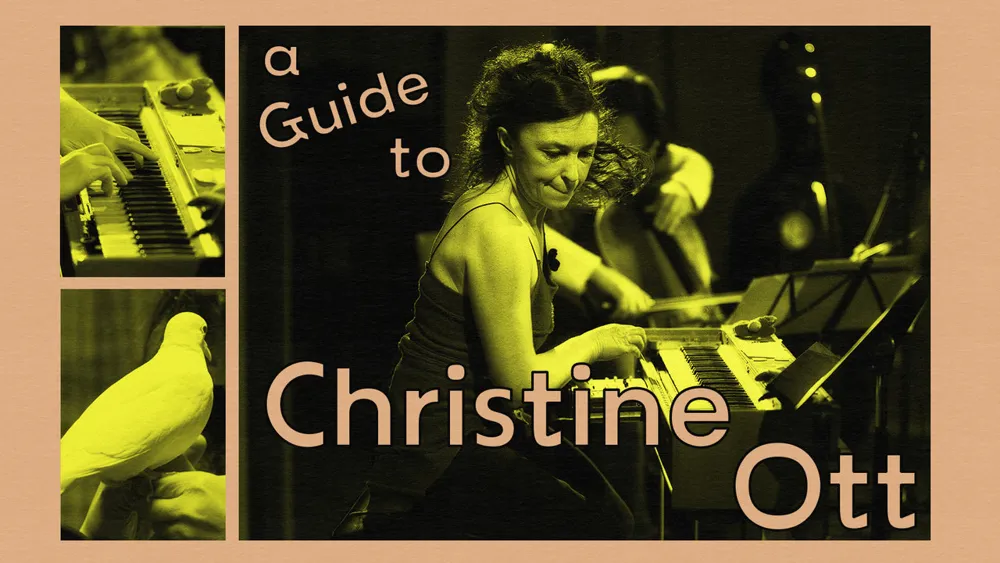
Title: Christine Otte and the Mysteries of the Martenot Waves Introduction: Among today’s innovative musicians, Christine Otte stands out for her creative exploration of the Martenot Waves, an instrument capable of producing hauntingly beautiful sounds that evoke deep emotional responses. The Martenot Waves, invented in 1928 by Maurice Martenot, are one of the earliest electronic instruments, showcasing a unique fusion of art and technology. They hold historical significance not only for their pioneering role in electronic music but also for their aesthetic appeal in various genres, capturing the imagination of musicians and listeners alike.
1. Context of Christine Otte: Born and raised in a musically vibrant environment, Christine Otte’s early life was filled with the sounds of classical and contemporary influences. Her fascination with the ethereal tones of the Martenot Waves began during her studies in sound design, where the instrument’s distinct timbre drew her in. Otte’s earlier works, such as her collaboration on the album “Eternal Echoes” (2018), reveal a blending of traditional and electronic elements, allowing her to carve out a unique sound palette while embracing the rich history of her instrument.
2. Martenot Waves: The Martenot Waves consist of a keyboard and a ribbon controller, allowing performers to manipulate pitch and tone by varying the intensity and speed of their finger movements. This fluidity gives the instrument its singular sound, characterized by a haunting quality often likened to a human voice. The instrument has been utilized by numerous composers, most notably Olivier Messiaen and Edgard Varèse, who integrated it into classical and avant-garde compositions, evidencing its versatility across musical genres.
3. Latest Developments: Through recent performances and ongoing projects, Christine Otte continues to push the boundaries of the Martenot Waves. In her latest concert series,
#electronic music
#martenot waves
#christine otte



© 2025 Music Voyage.