
Fugazi's Albini Sessions
Mar 10, 2026
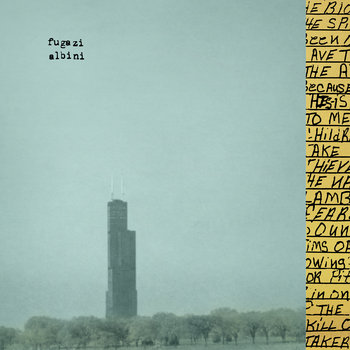
Fugazi, often heralded as one of the most influential and innovative bands to emerge from the post-hardcore scene, took a bold step in their early recording process by collaborating with renowned producer Steve Albini. This partnership, which culminated in the trio of tracks collectively known as the "Albini Sessions," serves as both a tantalizing what-if scenario and a profound reflection of the band's ethos. The "Albini Sessions," recorded in the early 1990s but only recently unveiled, encapsulate a moment where Fugazi's fervent energy and Albini's raw, unfiltered production style coalesced into a distinctive sound. Albini, celebrated for his work with bands like Shellac and Nirvana, championed a live recording technique that stripped away overproduction in favor of authenticity. This method resulted in a sonic experience that feels both immediate and visceral, capturing the essence of Fugazi’s dynamic musicianship. Fugazi—a band defined by their commitment to DIY ethics, political activism, and musical experimentation—thrived in the underground music scene. Their sound, punctuated by the rhythmic chatter of guitars and the explosive impact of drums, reverberates with a sense of urgency and social consciousness. One might describe their style with a cacophony of onomatopoeias: the "crash" of cymbals, the "snap" of a snare, and the "thump" of bass lines, all crafted to resonate deeply within listeners. Yet, it’s the significance of the "Albini Sessions" that propels them into the spotlight. As part of a retrospective analysis, this release presents a fascinating opportunity to explore how Fugazi’s pioneering sound and approach to music continue to influence contemporary punk and independent rock. With Albini at the helm, the band ventured into uncharted territories—melding punk rock's raw energy with sound engineering that emphasized clarity and depth.
The journey of Fugazi is not just one of musical notes and rhythms; it’s also a narrative of evolution within the punk genre itself. Emerging from the backdrop of the 1980s Washington D.C. scene characterized by political unrest and societal challenges, the band's music evolved not in isolation but as a response to the changing cultural landscape. Their stylistic development earmarked key milestones, including the release of the pivotal albums "13 Songs" (1989) and "Repeater" (1990), which cemented Fugazi's reputation at the forefront of post-hardcore. The influence of the "Albini Sessions" is particularly critical when examining the fusion of their sound with elements from other genres. The raw production style has recently resonated with newer generations of music creators, evident in the ways alternative and experimental rock bands have begun to incorporate similarly gritty and authentic aesthetics into their work. This blending of styles finds echoes in today's diverse punk landscape, reflecting how past influences shape modern interpretations. As Fugazi’s legacy endures, we see the threads of their music woven into contemporary acts, bringing forth genres that pay homage to their uncompromising spirit. Yet, beyond simply tracing their influence, we must spotlight the narratives of those who lived through the release. Quotes from band members such as Ian MacKaye reveal the earnest intent behind the music: "We’ve always been about the message, both in our lyrics and how we present our sound.” Critics and fans alike have echoed this sentiment, recognizing that the "Albini Sessions" not only highlight the band's sonic evolution but also their unwavering dedication to authenticity.
For any listener eager to dive into the world of Fugazi and the significance of the "Albini Sessions," we recommend a starter pack of essential tracks that showcase their profound impact on music: 1. **"Waiting Room" (from "13 Songs", 1989)** – An iconic representation of Fugazi's sound, embodying both tension and release, with a catchy hook that exemplifies their innovative approach to punk. 2. **"Repeater" (from "Repeater", 1990)** – This track encapsulates the band's political ethos, lined with complex time signatures that challenge conventional rock norms, making it a progressive anthem. 3. **"I'm So Tired" (from "Steady Diet of Nothing", 1991)** – Showcasing their dynamic range and lyrical depth, this song blends urgency with vulnerability. Additionally, an underrated artist who has made waves in the post-hardcore scene, and whose works reflect the spirit of Fugazi, is **Pennywise's frontman, Jim Lindberg**. Known for his poignant storytelling and energetic performances, Lindberg's music resonates with the same urgency that defines Fugazi's catalog.
#music history
#post-hardcore
#punk
#fugazi
#albini sessions


© 2025 Music Voyage.