
Ictus Ensemble: Redefining Classical Music
Mar 18, 2026
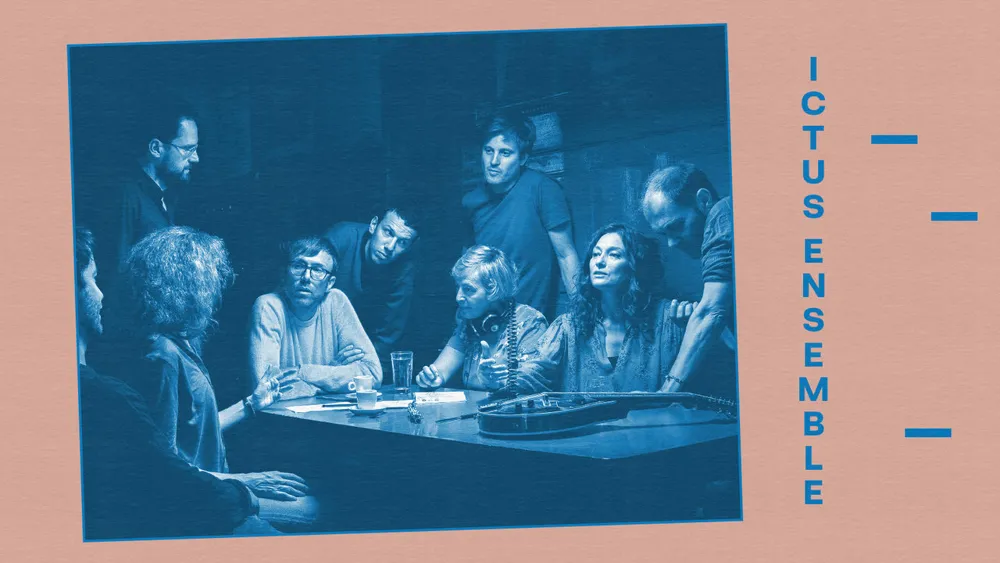
In the evolving landscape of contemporary music, the Ictus Ensemble stands as a vanguard of innovation within the classical genre. Born out of the need to bridge the gap between traditional compositions and modern sensibilities, the ensemble originates from Brussels, Belgium, which has a rich tapestry of cultural influences and artistic pursuits. The sociocultural roots of Ictus are deeply embedded in European avant-garde movements, where the desire to experiment with sound and form often challenges the conventions of classical music. Their signature soundscape can be characterized by a vibrant mix of dissonant harmonies and intricate rhythms, often interspersed with unexpected crescendos and aural textures that might be likened to the delicate flutter of a bird taking flight. One of the most striking features of the Ictus Ensemble's sound is the inclusion of unconventional instruments and the meticulous manipulation of traditional ones, creating a sonic palette that resonates with the creaks and hums of modernity.
As we trace the evolution tree of the Ictus Ensemble, we can spot key milestones that have marked their journey through the realms of contemporary classical music. Formed in the late 1990s, the ensemble has become synonymous with pushing boundaries, from premiering groundbreaking works to collaborating with innovative composers and artists across genres. Notably, the recording of 'Monolith' in 2010 (Album Cover: Monolith, 2010) showcases their experimental spirit, while their collaboration with electronic musicians illustrates the seamless fusion of acoustic and electronic elements. In recent years, the ensemble has incorporated elements of minimalism and experimental music, often collaborating with contemporary artists in genres ranging from jazz to experimental pop, reflecting a broader trend of cross-pollination in the modern music landscape. As these fusion trends continue, they underscore a collective movement within music that seeks to reshape its boundaries.
For those looking to delve into the world of the Ictus Ensemble, here are three must-hear tracks from different periods to get started: 1. "Monolith" from the album 'Monolith' (2010) - This track illustrates their knack for blending complex rhythmic patterns with haunting melodies. 2. "Espace" from 'Espace' (2015) - A more recent exploration of space and silence in music, showcasing their innovative approach to composition. 3. "Sculptures of Sound" from 'Collaborative Works' (2020) - A testament to their ability to engage with a variety of artists, blending classical with contemporary influences seamlessly. Additionally, an underrated gem in their ranks is composer and performer **Boris de Volder**, whose contributions have often gone unnoticed despite significantly enhancing the ensemble's artistic output. His works often challenge perceptions and invite listeners to immersive experiences within contemporary classical dialogues.
#innovation
#classical music
#performances
#ictus ensemble
#contemporary collaboration


© 2025 Music Voyage.