
Brazilian Funk House Established in Japan
Mar 22, 2026
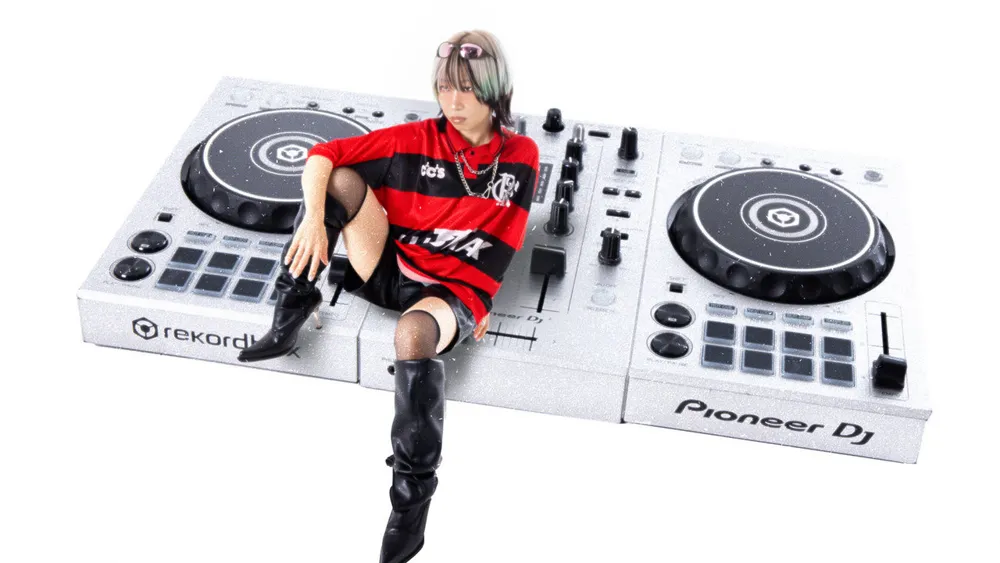
The fascinating interplay between cultures has given birth to a vibrant musical scene in Japan, notably marked by the rise of Brazilian funk. Known for its infectious rhythms and lively performances, Brazilian funk has transcended geographical barriers, resonating deeply within a Japanese audience hungry for fresh sounds. Pioneering artists like KARAN! and TToten have been at the forefront of this cultural exchange, taking the essence of Brazilian funk and blending it with unique Japanese sensibilities, while global audiences tune in, eager to experience the fusion.
1. **Historical Context:** Brazilian funk, or 'funk carioca,' originated in the favelas of Rio de Janeiro during the 1980s, evolving from a mix of Miami bass, hip-hop, and local rhythms. This genre carried significant cultural weight as it gave a voice to marginalized communities, capturing the spirit and struggles of everyday life through dance and lyrics. Its growth in Japan was serendipitous, beginning with the global popularity of other Brazilian music styles and aided by a curious Japanese youth seeking new forms of expression. Initial reception was mixed; while some embraced its raw energy, others were taken aback by its boldness and vibrant themes.
2. **Key Figures and Artists:** Influential artists such as DJ MAM and MC BOY have played pivotal roles in the Japanese scene, bridging the gap between Brazilian funk and local genres. Collaborations between Japanese producers and Brazilian artists have flourished, creating a unique sound that respects its roots while incorporating Japanese musical elements. The exchange is embodied in songs like "Samba Funk Remix," a collaboration featuring both Brazilian and Japanese vocalists that exemplifies this cross-cultural synergy.
3. **Cultural Influence:** The influence of Brazilian funk has permeated the Japanese music scene, inspiring genres like J-Pop and dance music. Aspects of funk rhythms have found their way into mainstream music, challenging traditional Japanese sounds and inspiring new artists to experiment. Anecdotes from fans reveal a deep appreciation for the lively performances and community-driven events that Brazilian funk inspires, with one fan saying, "It feels like a celebration of life, whether you're in Brazil or Tokyo; the vibe is contagious!" This exchange has created a space for cultural dialogue, evidenced by Japanese artists regularly showcasing Brazilian funk at concerts and festivals.
4. **Events and Gatherings:** Significant events such as the "Brukšaria Tokyo Festival" have emerged as focal points for Brazilian funk in Japan, bringing together local and international talent. These gatherings not only provide a platform for artists but also foster a sense of community among attendees who share a passion for this vibrant music. As fans dance to the pulsating beats and colorful performances, the influence of Brazilian culture is undeniably palpable, and with each gathering, interest in the genre continues to proliferate across Japan.
**Conclusion:** As Brazilian funk continues to cement its presence in Japan, we anticipate deeper cultural integration, with more collaborations on the horizon. The fusion has the potential to not only enrich the Japanese music landscape but also preserve the authenticity of Brazilian funk as it weaves its way into new musical tapestries. Readers are encouraged to partake in this cultural adventure by attending local events or curating a playlist that celebrates these dynamic sounds. Share your impressions, and join the rhythm of this remarkable journey!
#cultural exchange
#japan
#brazilian funk
#music fusion
#karan!
#ttoten
#brukšaria


© 2025 Music Voyage.