
AACM's Role in Shaping New American Music
Mar 25, 2026
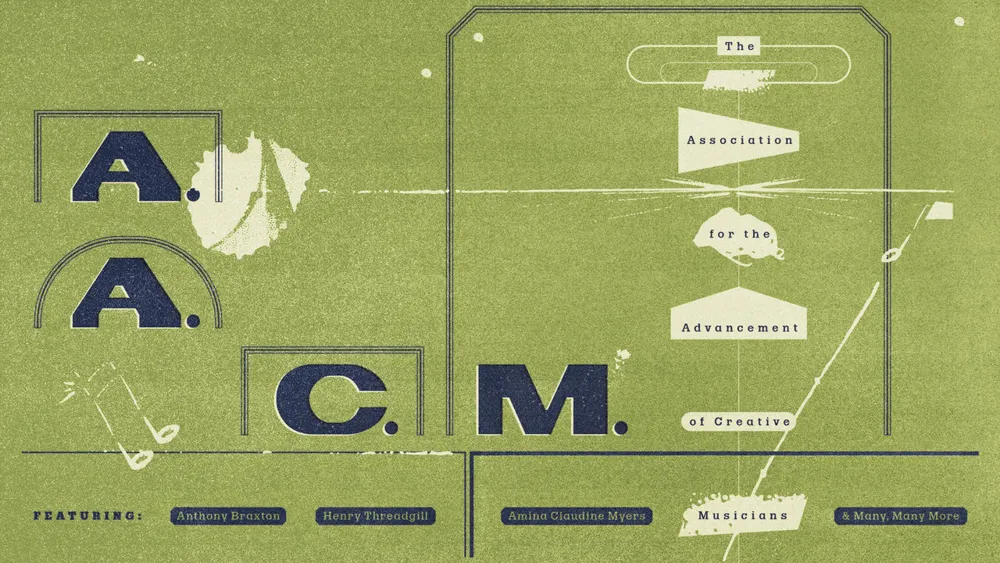
**1. Introduction** The Association for the Advancement of Creative Musicians (AACM) stands as a transformative force within the landscape of American music, rooted deeply in a desire for innovation and creative expression. Emerging from the vibrant arts scene of Chicago in the 1960s, the AACM became a beacon for avant-garde musicians seeking new avenues for artistic exploration. As one of the most significant movements in music history, its impact reverberates through genres from jazz to classical, challenging the boundaries of what was considered imaginative and original.
**2. Historical Context** Founded in 1965 by a group of dedicated musicians and composers, including the visionary Muhal Richard Abrams and the insightful George Lewis, the AACM set out to redefine the role of the musician as not just a performer but also an innovator and leader. The organization arose during a time of political and social upheaval, echoing broader movements for civil rights and artistic freedom. Key figures within the AACM fostered an environment where creativity thrived, championing both established and emerging talents in an inspiring collaborative network.
**3. Core Principles of the AACM** At its core, the AACM emphasized principles of self-determination, encouraging musicians to explore their unique sound while pushing the boundaries of traditional music. This philosophy underscored the importance of creative expression, allowing artists to develop their musical identities without succumbing to commercial pressures. The organization promoted innovative practices ranging from unconventional instrumentation to the incorporation of diverse musical styles, fundamentally shifting the landscape of contemporary music.
**4. Influence on American Music** The influence of the AACM is palpable across multiple genres, as it facilitated the free jazz movement and challenged the conventions of mainstream music. Avant-garde musicians like Roscoe Mitchell and Henry Threadgill emerged from its ranks, pioneering techniques that would leave an indelible mark on jazz and experimental music. The AACM's innovative spirit inspired a generation of artists to explore new territories, merging elements of jazz with contemporary classical music and beyond, fostering an environment of perpetual evolution.
**5. Modern Relevance** Today, the legacy of the AACM is firmly entrenched within the modern music scene. Contemporary artists continue to reference its ethos, leading to collaborations that span genres and mediums. Recent performances and projects honoring AACM founders and principles bring together diverse musicians, celebrating a heritage of creativity that remains profoundly relevant. The AACM’s unyielding commitment to innovation ensures that its influence will persist, inspiring new generations of artists to explore bold, uncharted territory.
**6. Conclusion** Reflecting on the long-term influence of the AACM reveals a powerful narrative of artistic innovation and cultural significance. Its legacy transcends mere historical context, embedded in the fabric of America’s music culture and inspiring countless musicians. Readers are invited to delve deeper into the AACM's rich history and engage with its music, principles, and the exceptional artists who continue to shape contemporary sound.
**7. Call to Action** We encourage readers to share their thoughts, experiences, or insights related to the AACM and its artists. How has the AACM influenced your understanding or appreciation of music? What connections can you draw between the AACM’s enduring legacy and today's diverse soundscapes?
#american music
#cultural impact
#jazz
#avant-garde
#aacm



© 2025 Music Voyage.