
Nigerian Reggae's Cultural Journey of Resistance
Apr 01, 2026
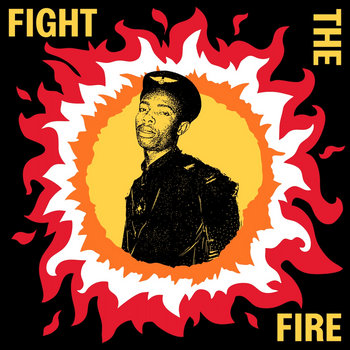
**Genetic Map (Origins and Sound DNA):** Reggae music, with its roots embedded deep within the socio-cultural struggles of the Jamaican people, found a compelling adaptation in Nigeria during the late 20th century. Emerging amidst the political turbulence of military dictatorships, Nigerian reggae began to echo the rhythms of optimism and resistance that characterized its Jamaican ancestry. The birthplace of this digital reggae genre intertwines with the spirit of resistance, much like techno’s emergence from the post-industrial landscape of Detroit. Signature sounds of this Nigerian reggae blend can be characterized by the deep rumble of bass lines, reminiscent of a distant thunderclap (thud-thud-thud), giving way to layered guitar skanks that strum like a gentle wave (chick-chick). The use of echo and reverb in dub (the instrumental subgenre of reggae) adds an expansive, haunting feel to the sound, creating a sonic landscape that captures both nostalgia and aspiration.
**Evolution Tree (Style Development & Fusion):** The evolution of Nigerian reggae can be traced through pivotal moments from the mid-1980s to the early '90s. Early trailblazers utilized analog recording techniques and embraced reggae's signature offbeat rhythms to address pressing social issues in their lyrics. Key milestones happened in 1986 when artist **Majek Fashek** released the album "Prisoner of Conscience" (notable for its political undertones) and again in 1991 with **Black Uhuru's** collaboration, further blending reggae with elements of African highlife. As the genre developed, it began to merge with other Nigerian sounds, particularly Afrobeat, where artists embraced reggae’s spirit yet infused it with complex jazz elements and traditional African rhythms. This fusion reached contemporary heights in the 2000s, prominently evident in the blend of reggae with dancehall and Afrobeats, further enriching the Nigerian music tapestry.
**Starter Pack (Listening Essentials):** To immerse yourself in the essence of Nigerian reggae, one must explore these three must-hear tracks: 1. **“Send Down The Rain” by Majek Fashek** (1989) – A heartfelt cry against societal woes, characterized by its infectious melody and uplifting message. 2. **“Rasta Suffering” by Ras Kimono** (1991) – Combines traditional reggae sounds with a poignant reflection on resilience and struggles, evident through its echoing bass and vibrant horn sections. 3. **“Caution” by Orits Wiliki** (1991) – A strong political message captures the spirit of conscious roots reggae, showcasing traditional instrumentation in a fresh light. Among the underrated artists of this era, **Olufemi (“Femi”) M. Kuti**, despite his father’s fame, made significant strides in keeping reggae alive through his music, bridging cultural divides and advocating for social change. His fusion of reggae and afrobeats demonstrates the genre's adaptability and enduring legacy in contemporary Nigerian music.
#music history
#nigerian reggae
#digital reggae
#fela kuti
#majek fashek



© 2025 Music Voyage.