
Reggae's Resonance in Nigerian Soundscapes
Apr 01, 2026
**Genetic Map (Origins and Sound DNA)** Reggae, a genre born from the convergence of Caribbean rhythms and African musical heritage, found its unique voice in the vibrant landscapes of Jamaica during the late 1960s. However, its influence rapidly transcended borders, culminating in its flourishing presence in Nigeria during the late 1980s. This period marked a socio-political awakening where Nigerian artists adopted reggae as a potent vehicle for expressing resistance against oppressive regimes. The signature sound of reggae is characterized by its offbeat rhythm, achieved primarily through the use of the guitar and piano, often described with onomatopoeic terms like 'chop' and 'strum.' The distinctive rhythm pattern, combined with hypnotic bass lines and socially conscious lyrics, creates an infectious groove that resonates deeply with both the artists and their audiences.
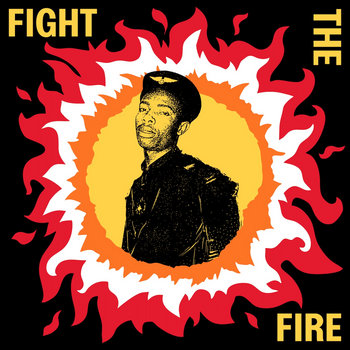
**Evolution Tree (Style Development & Fusion)** The evolution of reggae in Nigeria can be traced through various milestones, particularly with albums such as "Battle of the Bands" (1986), which highlighted local talent and styles. The release of "Fight The Fire: Digital Reggae, Conscious Roots and Dub in Nigeria 1986–91" is particularly significant, as it encapsulates the essence of Nigerian reggae during a time of tumultuous social change. The cover art of these collections often mirrors the vibrant and politically charged atmosphere that defines this era. In the present day, reggae continues to influence a wide range of genres in Nigeria, including the contemporary Afrobeats scene. Artists seamlessly blend traditional reggae elements with Afrobeats' upbeat tempos and electronic sounds, creating a rich tapestry of music that echoes the rebellious spirit of the past while appealing to modern sensibilities.
**Starter Pack (Listening Essentials)** For those looking to dive into the depths of Nigerian reggae, consider starting with these essential tracks: 1. "Rasta Love" by Black Uhuru (1986) - A quintessential reggae track that exemplifies the genre's roots and its global reach. 2. "Baba Ayo" by Majek Fashek (1990) - A poignant song interwoven with themes of social justice and cultural pride. 3. "Fight The Fire" (Various Artists, 1991) - This track from the compilation solidifies the artistic statement of the collection, showcasing the diversity and power of reggae in Nigeria. An underrated artist to explore is Eedris Abdulkareem, whose contributions helped bridge traditional reggae rhythms with modern narratives reflecting Nigeria's socio-political landscape.
#music history
#reggae
#nigeria



© 2025 Music Voyage.