
The Sound of the 70s in French Underground After Revolution
Apr 11, 2026
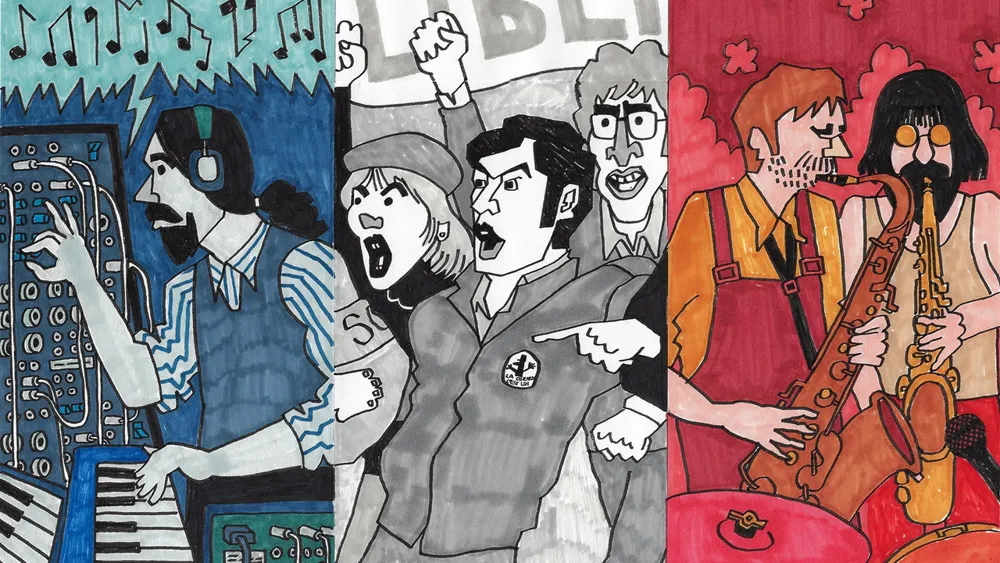
The French underground music scene of the 1970s emerged as a vibrant testament to a culture on the brink of transformation. Following the revolutionary fervor of May 1968, this period witnessed a unique amalgamation of artistic expression reflecting the socio-political disarray and aspirations for freedom. Artists aligned themselves with the avant-garde spirit, eschewing mainstream norms to explore new sounds that would later influence genres from punk to electronic music. Within smoky Parisian clubs, musicians experimented boldly, laying the groundwork for sounds that resonate even within today’s contemporary music landscape.
The sociopolitical climate of France during the 1970s served as fertile soil for the underground music movement. The protests of May 1968 were not merely a flashpoint but ignited a shift in consciousness, giving rise to a generation disillusioned with authority and craving artistic liberty. This backdrop fostered diverse musical styles, as artists sought channels for their activism. The struggle against oppression gave voice to marginalized narratives, creating a passionate fervor within music that was both introspective and provocative, paralleling the revolutionary expectations that had sparked the protests.
Among the iconic figures emblematic of the French underground scene arose a spectrum of talents. One such artist was Serge Gainsbourg, whose provocative lyrics and eclectic sound blended jazz, rock, and chanson. In contrast, the pioneering electronic duo of Jean-Michel Jarre established a new sonic landscape with synthesizers that echoed the futuristic visions of the time. We also cannot overlook the influence of the punk rock ethos introduced by bands such as Metal Urbain, marking a radical break with the past and advocating a raw, unfiltered approach to music and performance.
The musical innovations of the French underground were marked by genre-blending that fed into the global wave of experimentation. Psychedelic rock gave way to the hard-hitting rhythms of punk, while the emergence of electronic music exploited advancements in technology, engaging artists like Pierre Henry with musique concrète. Styles that were discarded or underappreciated began to re-emerge or evolve, leading to a cultural tapestry where genres like new wave incorporated the angular sounds of punk and the melodic sensibilities of earlier French pop, creating something wholly unique.
The influence of the French underground music scene has extended well beyond its own time, shaping modern music both in France and around the world. The ethos of freedom and non-conformity became the bedrock for later generations of musicians. Genres such as electro and techno draw directly from the innovative spirit of this era, with contemporary acts like L’Impératrice and La Femme openly referencing the avant-garde styles and sounds pioneered during the 1970s. The resonance of this underground culture continues to echo throughout European electronic and indie scenes.
Today's artists are drawing inspiration from the raw, unrefined sound cultivated in the 1970s, creating a revival of interest in those formative years. Musicians like Feu! Chatterton and Christine and the Queens embody a modern interpretation of that rebellious spirit, channeling the avant-garde influences while positioning themselves within the fabric of contemporary music. Collaborations between electronic producers and revelatory lyricists mirror the fusion and boundary-pushing that characterized the earlier underground.
In conclusion, the sounds of the 1970s French underground hold a treasure trove of emotion and artistry that deserves recognition and exploration. I encourage readers to dive into this rich musical history, discovering the works of Gainsbourg, Jarre, and emerging contemporary artists. For a playlist that captures the essence of this era, consider including tracks like "A Song for You" by Gainsbourg, "Oxygène Part IV" by Jarre, and "Laisse tomber les filles" by France Gall, which together will transport you through a journey of revolution and creativity.
#music history
#underground
#1970s
#french music


© 2025 Music Voyage.